
UAE authorities have seized 17.6 million untaxed tobacco & beverage packs in 2026, highlighting intensified efforts to combat tax evasion and protect fair market practices. This major crackdown signals stricter compliance enforcement, impacting importers, retailers, and finance professionals across the Emirates.
17.6 Million Untaxed Tobacco & Beverage Packs Seized in UAE - 2026
Table of Contents
Related Articles




Let's Talk
Sign Up For Free Consultation
17.6 Million Untaxed Tobacco, Beverage Packs Seized in UAE By FTA
If you’ve been keeping an eye on the latest headlines, you might have caught wind of this massive crackdown by the Federal Tax Authority (FTA). We’re talking about a staggering 17.6 million packs of untaxed tobacco products and beverages seized in just the first half of 2026. That’s not just a number it’s a bold statement on the UAE’s commitment to fighting tax evasion and promoting healthier markets. As someone who’s passionate about helping UAE businesses navigate these waters, let’s know about how this event is shaking things up for everyone involved in excise goods. Imagine this: hidden shipments of cigarettes, energy drinks, soft drinks, and sweetened beverages, all dodging the excise tax system.

The FTA’s intensified inspections uncovered unpaid taxes and fines totaling AED 357 million. This isn’t just about revenue; it’s about ensuring fair play in the market and protecting public health from harmful goods like tobacco products and sugar-sweetened beverages. If you’re in the import, distribution, or retail space for these items, this news hits close to home. But don’t worry, we are here to break it all down in a friendly, straightforward way, drawing from the latest insights to help you stay ahead.
In this post, we’ll dive deep into what happened, why it matters, and how you can keep your operations compliant. We’ll touch on everything from the details of UAE excise tax to practical tips for avoiding pitfalls. And if you’re looking for expert guidance, firms like Tulpar Global Taxation are stepping up as trusted partners, offering tailored advice on tax compliance to keep your business thriving in the UAE market. Let’s get into it and turn this wake-up call into an opportunity for smarter, more sustainable growth.
The Shocking Seizure: Unpacking the FTA's Major Operation
UAE authorities raiding warehouses and markets, uncovering millions of non-compliant excise goods. The FTA reported seizing over 17.6 million packs, marking a whopping 144% increase from the 7.2 million seized in the same period last year. This surge highlights how seriously the government is taking tax evasion, especially in sectors dealing with untaxed tobacco and beverages.
What makes this operation stand out? It’s not just the volume but the sophistication behind it. Inspectors used advanced tools like digital tax stamps to verify compliance, revealing hidden stashes of tobacco products and sweetened drinks that bypassed the system. For business owners in the UAE, this serves as a reminder that lax practices can lead to hefty fines and disruptions. The economic ripple effect is huge AED 357 million in recovered taxes means more funds for public services, but it also puts pressure on non-compliant players to shape up.
Elaborating further, this seizure isn’t an isolated incident. It builds on previous efforts, like the 3.5 million illegal excise goods nabbed in a Dubai raid earlier in 2026, where items were concealed in clothing shipments. These operations show a pattern: the FTA is doubling down on inspections, conducting over 2,000 visits in 2026 alone. That’s twice as many as before, focusing on high-risk areas like tobacco imports and beverage distribution. If you’re handling carbonated drinks, energy drinks, or any excise-taxable items, understanding these trends is key to avoiding similar fates.
Breaking Down the Confiscated Items: Tobacco and Beverages in the Spotlight
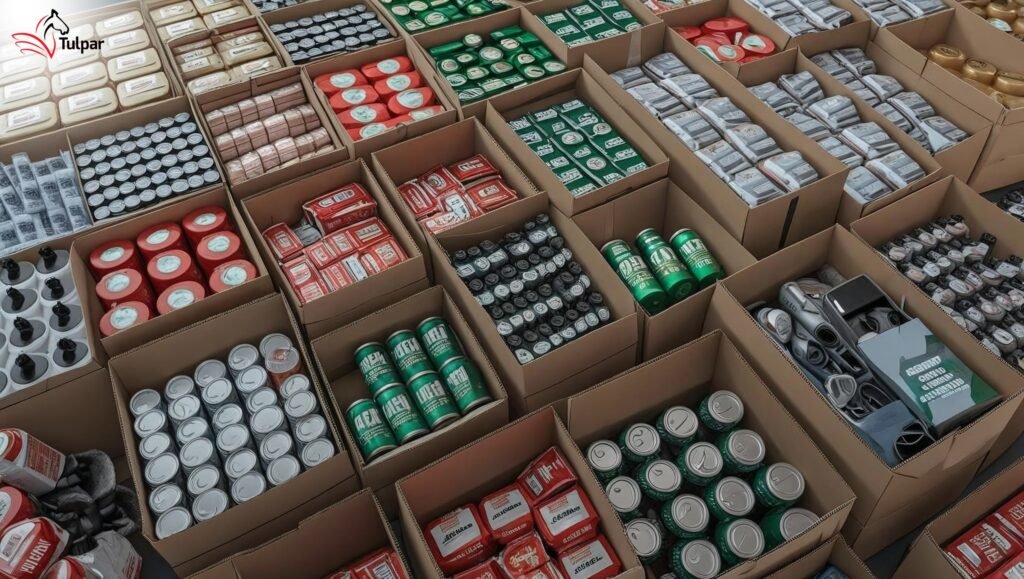
Let’s zoom in on what was actually seized. Out of the 17.6 million packs, a massive 11.52 million were tobacco products think cigarettes, electronic smoking devices, and related accessories lacking proper digital tax stamps. These untaxed tobacco items represent a huge chunk of the haul, underscoring the ongoing battle against smuggling in the UAE’s tobacco market.
Then there’s the beverage side: 6.1 million packs of soft drinks, energy drinks, and sweetened beverages. These are everyday items like carbonated sodas and sugar-sweetened drinks that fall under UAE excise tax rules. Without paid taxes, they’re considered non-compliant, harming both revenue streams and public health goals. The FTA emphasizes that these goods were often imported or stored without meeting registration requirements, leading to their confiscation.
Why does this breakdown matter? For finance professionals and tax consultants, it highlights specific vulnerabilities. Tobacco products face a 100% excise tax rate, making them prime targets for evasion, while beverages are taxed at 50% or more based on content. Elaborating on the implications, non-compliant tobacco can lead to health risks from unregulated quality, and untaxed beverages contribute to higher consumption of harmful sugar-sweetened items. Businesses need to audit their supply chains meticulously to ensure every pack has the right stamps and documentation. Tulpar Global Taxation, with its expertise in UAE tax advisory, can help review your inventory to spot these issues early, preventing costly seizures.
The Scale and Strategy Behind the Inspections
How did the FTA pull off such a large-scale operation? It all boils down to strategy. They ramped up inspections to over 2,000 in the first half of 2026, collaborating with local authorities across all emirates. This coordinated approach used data analytics and on-ground raids to target suspected violators, from warehouses in Dubai to markets in Abu Dhabi.
Elaborating on the scale, this 144% increase in seizures reflects not just more inspections but smarter ones. Tools like the digital tax stamp system allow real-time verification; each stamp contains encrypted data proving tax payment. For UAE-based importers, this means adapting to tech-driven compliance. The strategy also includes public awareness campaigns, encouraging businesses to self-report and avoid penalties.
For tax consultants, this signals a shift toward proactive enforcement. If your clients deal in excise goods, advise them on integrating compliance software. The operation’s success recovered AED 357 million, but it also disrupted black-market flows, stabilizing prices for legitimate sellers. In the UAE market, where competition is fierce, staying compliant isn’t just legal—it’s a competitive edge.
Demystifying Excise Tax in the UAE: A Guide for Businesses
Excise tax might sound complex, but it’s straightforward once you break it down. Introduced in 2017, it’s an indirect tax on specific goods harmful to health or the environment, like tobacco products and sweetened beverages. The goal? Reduce consumption while boosting government revenue for public services. In the context of the recent seizure, excise tax is front and center. Untaxed tobacco and beverages evade this system, leading to losses and unfair advantages. For UAE business owners, grasping these rules is essential to avoid fines and build trust.
Elaborating, the tax applies at various stages import, production, or stockpiling ensuring accountability throughout the supply chain. Rates vary: 100% on tobacco and energy drinks, 50% on carbonated and sweetened beverages. This structure incentivizes healthier alternatives, aligning with UAE’s vision for a fitter society.
What Exactly is Excise Tax and Why Was It Introduced?
At its core, excise tax is a levy on “sin goods” items like tobacco products, energy drinks, and sugar-sweetened beverages that pose health risks. The UAE rolled it out to curb consumption, especially among youth, while generating funds for infrastructure and healthcare. Why introduce it? Low oil prices in the mid-2010s pushed diversification, and taxes became a key tool. Plus, with rising diabetes and smoking rates, it addresses public health head-on. The recent 17.6 million seizure illustrates enforcement in action, targeting non-compliant excise goods to protect these objectives.
Elaborating on its mechanics, excise tax is calculated on the excise price, often the higher of retail or import value. Businesses must register if dealing in these goods, file returns quarterly, and pay promptly. Non-compliance? Penalties up to three times the tax due. For finance pros, this means advising clients on accurate valuations to prevent underpayments.
Key Goods Subject to Excise Tax: From Tobacco to Sweetened Beverages
The list of taxable goods is targeted. Tobacco products top it cigarettes, shisha, electronic smoking devices all at 100%. Then beverages: carbonated drinks (50%), energy drinks (100%), and sweetened beverages (50%, soon tiered by sugar content in 2026). In the seizure, untaxed tobacco dominated, but beverages like soft drinks and energy drinks were significant. These include any aerated or stimulant-laden drinks, even concentrates for mixing.
Elaborating, exemptions exist for unflavored water or natural juices, encouraging healthier options. For UAE retailers, classifying products correctly is crucial mislabel a sweetened drink, and you’re in hot water. Tulpar Global Taxation specializes in such classifications, helping businesses map inventories to tax categories and avoid oversights.
Current Rates, Regulations, and Recent Updates
Rates are clear: 100% for tobacco and energy drinks, 50% for others. But regulations go beyond digital tax stamps are mandatory for tobacco, ensuring traceability. Returns must detail quantities, values, and taxes paid. Recent updates? In 2026, sweetened beverages shift to a tiered system based on sugar per 100ml: 0-5g tax-free, 5-8g at AED 0.40/liter, over 8g at AED 0.75/liter. This promotes reformulation.
Elaborating, compliance involves registering via EmaraTax, maintaining records for five years, and allowing audits. The FTA’s focus on non-compliant goods means stricter checks. For tax consultants, staying updated on these changes is vital—advise on tiered impacts to help clients adjust pricing and formulations ahead of time.
Why the Intensified Crackdown? Tackling Tax Evasion Head-On
The UAE isn’t cracking down for fun it’s about safeguarding the economy and health. Tax evasion in excise goods like untaxed tobacco and beverages drains revenue and floods markets with cheap, unregulated products. This 17.6 million seizure exposed systemic issues, from smuggling to fake stamps. By intensifying efforts, the FTA aims to level the playing field, ensuring honest businesses aren’t undercut.
Elaborating, evasion tactics include under-declaring imports or hiding goods in non-taxable shipments, as seen in the Dubai clothing concealment case. The crackdown uses joint operations with customs, boosting detection rates.
The Public Health Angle: Reducing Harm from Tobacco and Sugary Drinks
Beyond money, this is about health. Tobacco products cause cancer and heart disease, while sugar-sweetened beverages fuel obesity and diabetes prevalent in the UAE. Seizing untaxed items removes substandard goods, protecting consumers. Excise tax discourages use, with studies showing price hikes cut consumption by 10-20%.
Elaborating, the WHO praises UAE’s efforts, noting reduced tobacco imports post-tax. For beverages, tiered taxes will further nudge toward low-sugar options. Businesses can pivot by offering healthier alternatives, aligning with consumer trends for wellness.
Economic Ramifications: Revenue Recovery and Market Fairness
Economically, AED 357 million recovered funds schools and roads. But evasion distorts markets—untaxed goods sell cheaper, hurting compliant firms. The crackdown restores fairness, stabilizing prices and encouraging investment. For UAE finance pros, it means opportunities in compliance services.
Elaborating, lost revenue from evasion hits billions annually globally; in UAE, strict enforcement minimizes this. Businesses benefit from predictable markets, where quality wins over cut-rate contraband.
Ensuring Your Business Stays Compliant: Practical Steps Forward
Compliance isn’t optional, it’s survival. With seizures on the rise, proactive steps are key. Start with self-audits: Check if all excise goods are registered and stamped. Use FTA portals for filings, and train staff on regulations. If overwhelmed, consult experts. Elaborating, compliance builds reputation, avoiding fines up to AED 50,000 per violation. In the UAE’s dynamic market, it also opens doors to government contracts favoring tax-abiding firms.
Registration, Reporting, and Record-Keeping Essentials
Register if you import, produce, or store excise goods thresholds are low, so most qualify. File quarterly returns detailing transactions. Records? Keep invoices, stamps, and assessments for audits. Digital tools streamline this. Elaborating, late filings incur penalties, so set reminders. For beverages, track sugar content for upcoming tiers. Tulpar Global Taxation offers registration support, ensuring accuracy from day one.
Mastering Digital Tax Stamps and Verification Tools
For tobacco, digital stamps are non-negotiable each pack gets a unique code verifiable by scanners. Elaborating, stamps prevent counterfeits, with data on origin and taxes. Businesses must apply via FTA, integrating into packaging. Non-compliance led to many seizures, so invest in compliant suppliers.
Leveraging Expert Consultants: The Tulpar Global Taxation Advantage
Navigating alone? Risky. Tulpar Global Taxation provides end-to-end support from audits to filings tailored for UAE’s excise landscape. Elaborating, their team deciphers complex rules, like tiered beverage taxes, helping reformulate products. For tax consultants, partnering with them enhances services, driving client retention in a competitive market.
Evolving Regulations and Business Strategies
The future? Stricter, with inspections and GCC harmonization. The 2026 beverage tiering is just the start. Businesses should monitor FTA updates, perhaps via newsletters. Elaborating, evolving regs aim for sustainability, less evasion, healthier habits. Adapt by diversifying into low-tax items.
Recent Regulatory Changes and Their Implications
Beyond seizures, 2026 saw expanded inspections and tech upgrades. Implications? Higher compliance costs but safer markets. Elaborating, changes like voluntary disclosures allow fixing errors penalty-free. For UAE pros, this means advising on disclosures to mitigate risks.
Proactive Tips for Thriving in a Compliant UAE Market
Stay ahead: Attend FTA workshops, use analytics for supply chains, and collaborate with peers. Elaborating, build a compliance culture train teams, audit regularly. In the UAE, where growth is rapid, compliant businesses attract investors and customers seeking reliability. In wrapping up, this 17.6 million seizure is a pivotal moment for UAE tax compliance. By understanding excise tax, embracing tools like digital stamps, and partnering with experts like Tulpar Global Taxation, you can turn challenges into strengths.
FAQs:
Why Were 17.6 Million Untaxed Packs Seized in the UAE in 2026?
In 2026, the UAE’s Federal Tax Authority (FTA) and customs officials seized 17.6 million untaxed tobacco and beverage packs to combat smuggling and enforce excise tax laws. The operation targeted illegal imports bypassing mandatory tax declarations, undermining fair trade. Businesses in Dubai or Sharjah should verify suppliers to avoid risks. Tulpar Global Taxation offers expert audits to ensure full compliance with FTA regulations.
What Products Were Involved in the 2026 UAE Seizure?
The seizure included 12 million tobacco packs (cigarettes, shisha, and vaping products) and 5.6 million beverage packs (carbonated drinks and energy drinks). These goods, valued at millions in evaded taxes, lacked FTA-required tax stamps. For Abu Dhabi importers, this highlights the need for proper documentation. Tulpar Global Taxation provides supply chain reviews to keep your business compliant.
What Penalties Do Businesses Face for Dealing in Untaxed Goods in the UAE?
Under UAE Excise Tax Law, penalties for smuggling include fines starting at AED 50,000, confiscation of goods, and potential imprisonment. Severe cases may lead to license revocation. Post-2025, enforcement is stricter, so businesses in Ajman or Fujairah must prioritize compliance. Tulpar Global Taxation helps navigate FTA audits and penalty appeals to protect your operations.
How Can UAE Businesses Avoid Tax Evasion Risks with Tobacco and Beverages?
To stay compliant, register with the FTA, apply correct excise tax rates (50% on beverages, 100% on tobacco), and use licensed warehouses. Regular supplier audits and digital inventory tracking are key. For Ras Al Khaimah retailers, proactive steps prevent costly fines. Tulpar Global Taxation offers customized compliance strategies to streamline your processes.
How Does Excise Tax Support the UAE’s Economy After the 2026 Seizure?
Excise taxes fund healthcare and deter harmful consumption, contributing billions to the UAE’s economy. The 2026 seizure prevented an estimated AED 100 million revenue loss, boosting fair competition. For finance pros in Dubai, this reinforces compliance benefits. Tulpar Global Taxation helps businesses align with Vision 2031 through accurate tax planning.
What Impact Did the 2026 Seizure Have on the UAE Tobacco and Beverage Industry?
The seizure disrupted illegal supply chains, benefiting compliant suppliers but raising compliance costs. Legitimate businesses in Jebel Ali saw increased demand, though market prices fluctuated. Using tax software ensures transparency for distributors. Tulpar Global Taxation advises on adapting to stricter regulations for sustained growth.
What Are the Consequences for Companies Caught with Untaxed Goods?
Penalties range from AED 10,000 fines to 3 years in prison, depending on the violation’s scale. The FTA may also blacklist non-compliant firms. For tax consultants in Abu Dhabi, voluntary disclosures can mitigate penalties. Tulpar Global Taxation has a proven track record of guiding UAE firms through FTA penalty resolutions.
How Does the 2026 Seizure Affect UAE Consumers?
Consumers may face short-term price increases or product shortages, but the seizure ensures safer, regulated goods. Untaxed products often lack quality controls, posing health risks. For UAE residents, buying from licensed retailers is key. Tulpar Global Taxation helps businesses communicate compliance to build consumer trust.
What Should UAE Importers Do to Ensure Compliance Post-2026?
Importers must register with the FTA, secure excise tax permits, and use e-services for declarations. Auditing suppliers and training staff on tax compliance are critical steps. For logistics firms in Dubai, digital tools simplify tracking. Tulpar Global Taxation offers training and audits to keep your imports FTA-compliant.
What’s the Future of Tax Enforcement in the UAE After the 2026 Seizure?
The UAE is ramping up inspections and international anti-smuggling partnerships, aligning with its digital economy goals. Expect broader excise tax scopes and incentives for compliance. For finance professionals in Sharjah, staying updated is crucial. Tulpar Global Taxation provides forward-looking tax strategies to keep your business ahead.
