
DWTC Free Zone Company Formation - Setup Guide 2026
Establish your business at the commercial heart of Dubai with the official DWTC Free Zone Company Formation – Setup Guide 2026. Discover step-by-step registration procedures, detailed licensing costs, and advanced dual-licensing strategies optimized for 100% foreign ownership and full compliance under the 9% UAE corporate tax framework.
Table of Contents

Let's Talk
Sign Up For Free Consultation
Guide to Business Setup in Dubai World Trade Centre (DWTC)
Navigating the landscape of corporate expansion in the UAE requires a sharp understanding of regulatory structures, geographic advantages, and fiscal frameworks. For international founders, institutional investors, and high-growth enterprises aiming to capture global trade opportunities, the Dubai World Trade Centre (DWTC) Free Zone stands out as a premier onshore jurisdiction.
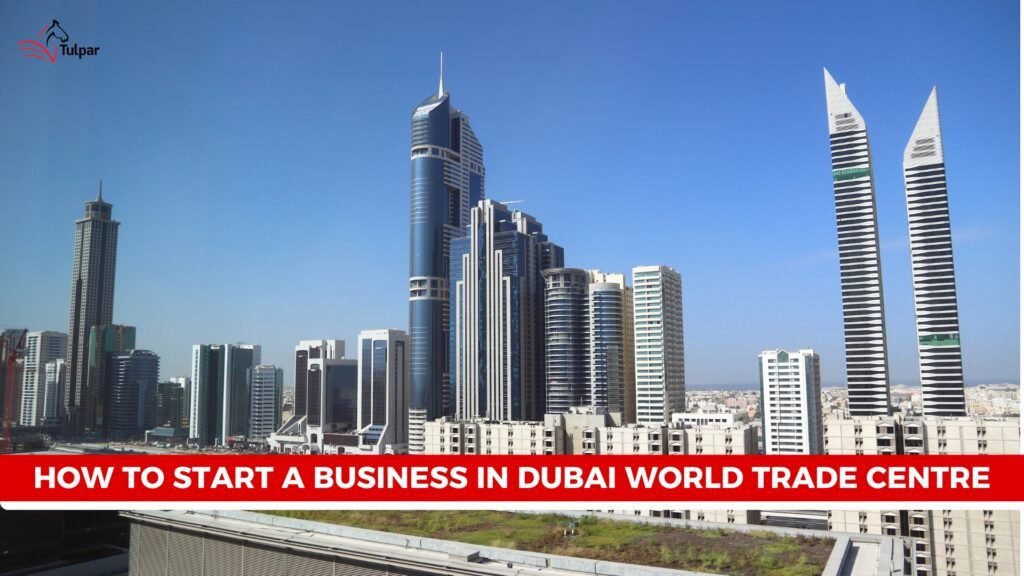
Historically known as the epicenter of regional commerce and major international exhibitions, the DWTC Free Zone (governed by the Dubai World Trade Centre Authority or DWTCA) has evolved into a highly strategic legal environment. It offers unique dual-licensing frameworks, premium Grade-A commercial office infrastructures like One Central, and direct integration with Dubai’s mainland financial networks.
However, setting up a business in Dubai involves more than just filling out a standard application template. With the active enforcement of the 9% UAE Corporate Tax regime, selecting the right jurisdiction demands strict financial transparency and compliance planning.
This detailed guide, prepared in collaboration with the corporate structuring experts at Tulpar Global Taxation, breaks down the exact end-to-end framework for launching a business within the Dubai World Trade Centre. It covers real operational costs, step-by-step regulatory stages, and structural optimization for international entrepreneurs.
The Strategic Advantages of the DWTC Free Zone
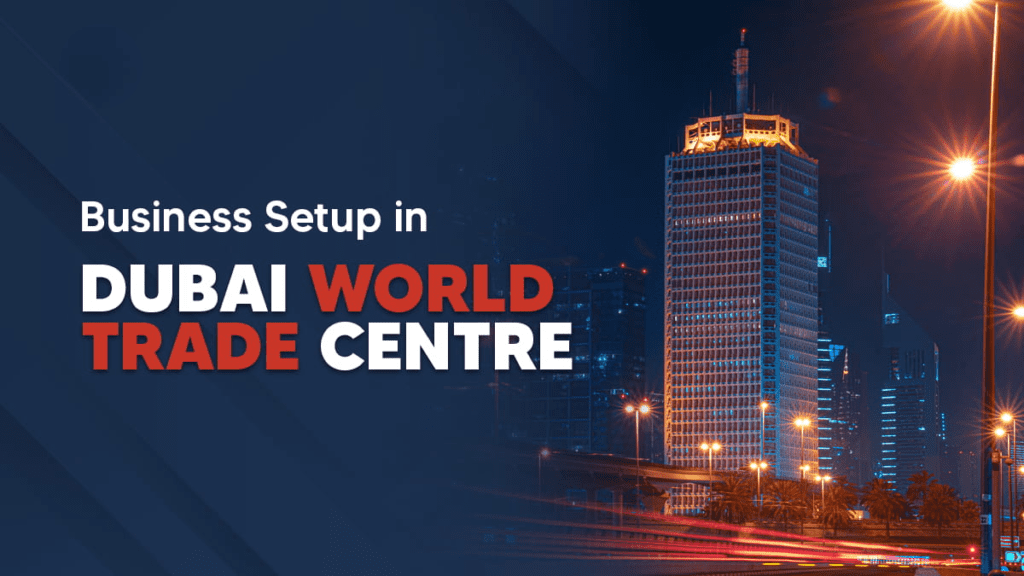
Choosing a free zone in Dubai is often a balancing act between setup speed, prestige, and overall cost. While northern emirates or outlying jurisdictions might offer lower entry-level licensing fees, DWTC commands a premium positioning because it directly bridges the gap between traditional free zone insulation and mainland commercial market access.
100% Foreign Ownership and Capital Repatriation
Like other premier UAE free zones, DWTC allows foreign nationals to maintain 100% equity ownership of their businesses without requiring a local Emirati sponsor or national agent. Additionally, corporations enjoy complete freedom to repatriate 100% of their profits and capital back to their home countries without currency restrictions or withholding taxes.
The Power of the Dual-Licensing Framework
The standout advantage of a DWTC incorporation is its Dual License capability. Typically, a free zone entity is restricted to doing business strictly within its geographical borders or internationally; it cannot trade directly with the mainland UAE market without hiring a local distributor or mainland agent.
Through a streamlined arrangement with the Dubai Department of Economy and Tourism (DET), a DWTC-registered Free Zone Company (FZCO) can secure a secondary mainland license. This dual-licensing structure allows you to operate across the wider UAE domestic economy without renting separate mainland physical office space or satisfying additional heavy capital requirements, a pivot that optimizes both operational reach and corporate overhead.
Prime Location and Infrastructure
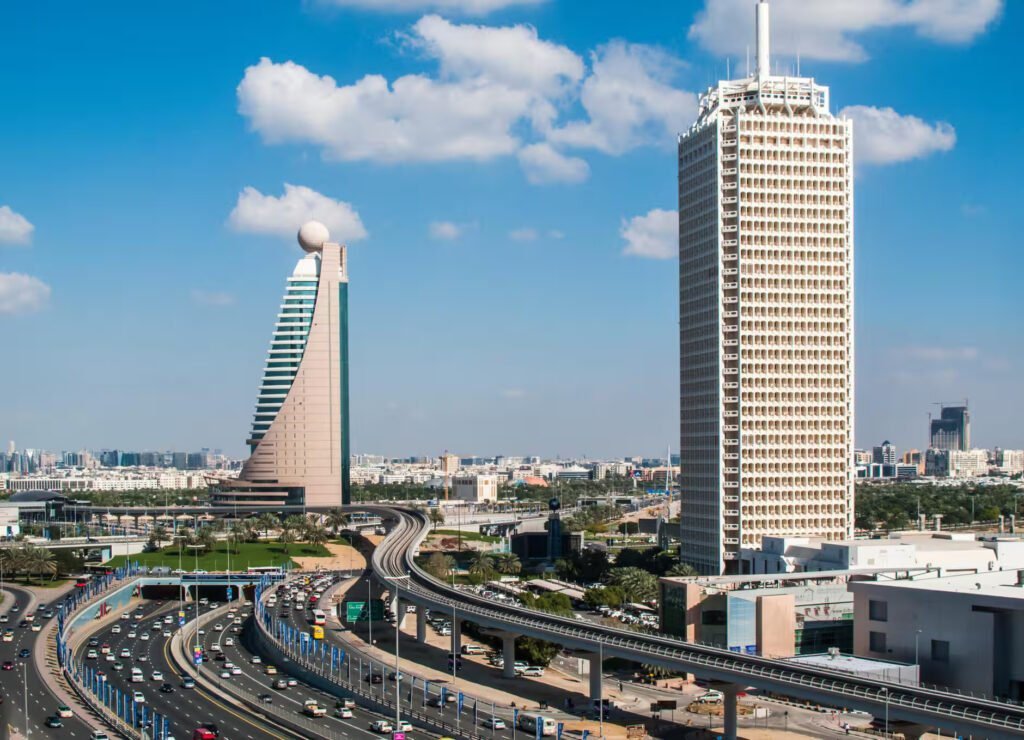
Situated directly on Sheikh Zayed Road with its own dedicated metro station, DWTC places companies at the literal and figurative crossroads of Dubai’s business district. Beyond the prestige of the address, businesses gain proximity to the region’s largest conventions, providing built-in networking pipelines for event management companies, technology scale-ups, and professional consulting practices.
Available Corporate Structures and License Types
To align with your specific commercial intent, the DWTCA offers three main legal structures and several distinct licensing classifications.
Approved Legal Structures
- Free Zone Establishment (FZE): A limited liability entity formed with a single shareholder (either an individual person or a single corporate entity).
- Free Zone Company (FZCO): A limited liability corporate structure structured for multiple shareholders, accommodating between 2 to 10 individuals or corporate entities.
- Branch of a Company: An extension of an already existing corporate entity. You can establish a branch of a foreign overseas company or a branch of an existing UAE mainland/free zone enterprise. The branch operates under the exact legal name of its parent organization and must match its business activities.
Core Licensing Categories
The free zone issues licenses across various sectors, allowing up to 10 aligned activities per single license document:
- Commercial / Trading License: Authorizes the import, export, distribution, logistics, and storage of specified wholesale or retail goods.
- General Trading License: Allows broad-spectrum trading across a diverse range of products without needing specific individual activity approvals (incurs higher authority fees).
- Professional / Service License: Designed for management consultancies, IT advisors, marketing agencies, legal consultants, and educational services.
- Event Management License: A specialized license permitting the organization, hosting, and production of international conferences, exhibitions, and B2B consumer events within the DWTC ecosystem.
- E-Commerce License: Built for digital businesses, enabling electronic retail, online marketplace facilitation, and digital service delivery across borders.
The End-to-End Business Setup Procedure

Successfully executing a corporate launch within DWTC requires navigating sequential government steps. Any procedural misstep can trigger banking rejections, licensing delays, or compliance audits.
The standard roadmap for a structured corporate setup follows a precise series of steps:
1. Define Activity & Reserve Corporate Name:
Identify your specific corporate activities from the DWTCA official index. Submit three distinct name options via the eServices portal. The name must comply with strict UAE regulations: it cannot contain religious, political, or globally trademarked phrases, and must finish with the legal suffix (FZE or FZCO).
2. Submit Initial Approval & KYC Documentation:
Compile the primary know-your-customer (KYC) paperwork. This includes passport copies of all shareholders, directors, and managers, ultimate beneficial owner (UBO) declarations, and a brief corporate business plan. DWTCA scans these documents for regulatory clearance and security approvals.
3. Select and Secure Your Workspace Lease:
Every business registration requires a verified workspace lease. Based on team scaling needs, select between a flexible “Smart Desk” or co-working solution, or lease a physical commercial office within Sheikh Rashid Tower or One Central. The lease agreement is processed and registered under the authority’s internal property database.
4. Pay Government Fees & Secure License Issuance:
Upon receiving the official invoice, settle all incorporation, name reservation, and workspace rental fees. The DWTCA will then issue your primary corporate kit: the Certificate of Incorporation, the Articles of Association (AoA), the Share Certificate, and your active Trade License.
5. Establishment Card & Visa Processing:
Apply for your company’s Establishment Card through the Ministry of Interior or local immigration channels, this opens your official corporate immigration file. Once issued, you can initiate investor or employment entry permits, complete the mandatory UAE medical fitness examinations, register biometric data for the Emirates ID, and secure residency status.
Realistic 2026 Cost Breakdown for DWTC Free Zone Setup

A major pitfall for international founders is relying on overly optimistic “starting from” ad campaigns that fail to budget for mandatory administrative line items. Transparency is vital when projecting a realistic first-year capital investment for a single-shareholder professional service company utilizing a flexible workspace solution.
The typical fee architecture consists of both initial and recurring operational items:
| Fee Component | Estimated Cost Range (AED) | Frequency | Operational Context |
| DWTCA Company Registration | AED 9,000 – AED 10,000 | One-time | Initial administrative incorporation fee paid to the authority. |
| Trade License Fee (Service/Trading) | AED 12,000 – AED 15,000 | Annual | The core legal permission to operate; scales upward for general trading. |
| Trade Name Reservation | AED 1,000 | One-time | Fee for official name checking, validation, and registration. |
| Articles of Association (AoA) Attestation | AED 2,020 | One-time | Government attestation of internal corporate bylaws and share structures. |
| Smart Desk / Flexi-Desk Workspace | AED 12,000 – AED 15,000 | Annual | Minimal physical workspace required to secure an active license and satisfy banking compliance. |
| Establishment Card (Immigration File) | AED 1,825 – AED 2,000 | Annual | Required to open your visa channel with the immigration department. |
| Investor/Employment Visa (Per Person) | AED 4,000 – AED 5,500 | Every 2-3 Years | Includes entry permit, status change, medical tests, and Emirates ID processing. |
| Corporate Tax Registration & Setup | AED 2,500 – AED 5,000 | One-time / Advisory | Handled via corporate specialists like Tulpar Global Taxation to prevent structuring errors. |
| Total Estimated Year 1 Setup Investment | AED 44,345 – AED 55,520 | — | Realistic baseline budget for a completely functional entity with 1 residency visa. |
Note: Dedicated physical office spaces in premium locations like One Central start anywhere from AED 35,000 to over AED 150,000 annually, depending on square footage, fit-out quality, and view metrics.
Navigating Corporate Tax & Compliance in the Modern UAE Economy
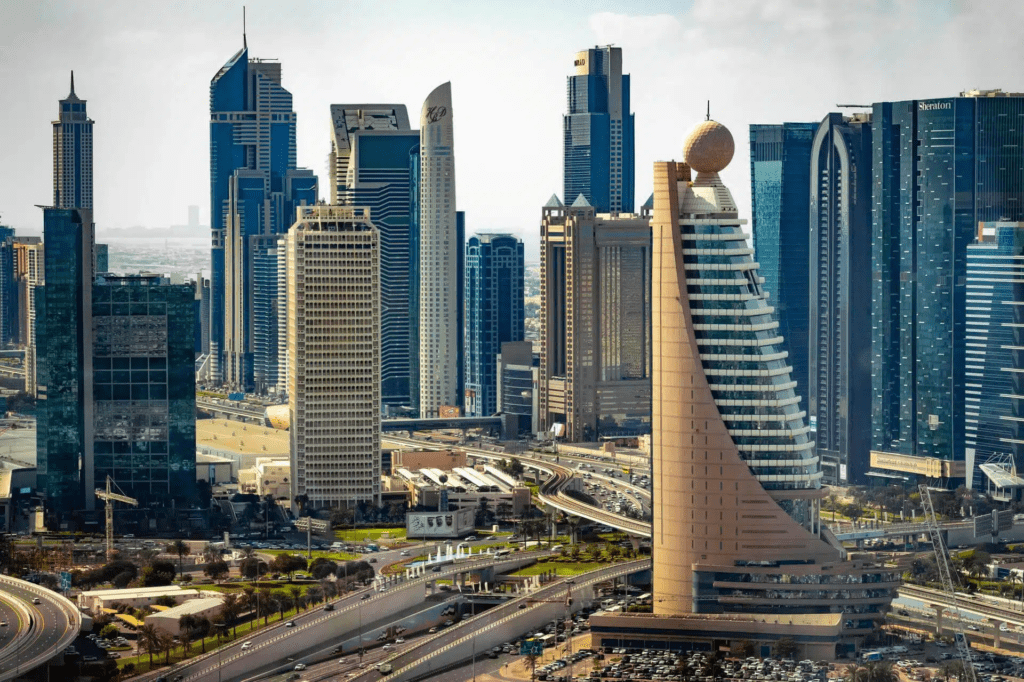
The introduction of the federal corporate tax framework significantly changed corporate setups across Dubai’s free zones. Operating a business in the UAE is no longer a matter of simple incorporation; it requires ongoing fiscal tracking.
The 9% Corporate Tax Mandate
The UAE levies a standard corporate tax rate of 9% on taxable business net profits exceeding AED 375,000. For net profits up to and including AED 375,000, the applicable tax rate remains 0% to foster small business and startup growth.
Free Zone Incentives vs. Compliance Obligations
While free zone companies can technically qualify for a 0% corporate tax incentive on “Qualifying Income,” this benefit is never automatic. To maintain status as a Qualifying Free Zone Person (QFZP) under current Ministry of Finance regulations, your DWTC entity must satisfy strict criteria:
- Maintain Adequate Substance: The business must be genuinely directed and managed inside the UAE. This means holding regular board meetings locally, having physical workspace (which is why cheap virtual options often fail tax audits), and incurring proportional operational expenses inside the country.
- Earn Qualifying Income Only: Your revenue streams must align with the specific activities designated as “qualifying” by the government (such as reinsurance, headquarter services, or holding company functions). Income derived from transactions with mainland individuals or non-qualifying activities can disqualify your entire tax status.
- Prepare Audited Financial Statements: QFZPs are legally mandated to maintain flawless accounting records and have their annual financial statements verified by a registered, licensed UAE auditor.
Critical Compliance Warning
Every single corporate entity established in the DWTC Free Zone must register for UAE Corporate Tax with the Federal Tax Authority (FTA), regardless of whether they make a profit, qualify for exemptions, or operate at a micro-scale. Failure to register within the government-mandated deadlines results in an automatic administrative fine of AED 10,000.
To safely manage this shifting fiscal landscape and avoid expensive structural missteps, modern entrepreneurs rely on specialized corporate consultancies. Under the strategic direction of experienced professionals like Ezat Alnajm, advisory firms help founders select the exact commercial activity configurations that protect their tax exposure. Expert teams evaluate your cross-border billing patterns, supply chains, and physical workspace selections to ensure your entity satisfies every local substance requirement from day one.
Corporate Bank Account Opening: The Ultimate Hurdle
Securing an active business license is actually only half the battle. For international entrepreneurs, the primary operational bottleneck in the UAE is opening a corporate bank account. UAE banks operate under strict anti-money laundering (AML) and know-your-customer (KYC) regulations supervised directly by the Central Bank of the UAE.
Why Corporate Bank Accounts Get Rejected
Banks routinely reject applications from newly formed free zone entities due to several common red flags:
- Lack of Physical Substance: Utilizing a bare-minimum virtual address with no verifiable workspace or local staff.
- Vague Business Profiles: Inability to present clear contracts, invoices, supplier agreements, or a detailed business plan.
- Unclear Source of Wealth: Shareholders failing to document the legitimate origins of their initial investment capital.
- Atypical Trading Routes: Planning to trade heavily with high-risk jurisdictions without strong, pre-existing trade histories.
Maximizing Your Approval Probabilities
To ensure your banking application passes regional compliance, your corporate profile should be meticulously prepared:
- Maintain Clean Corporate Records: Ensure your MoA, AoA, share certificates, and licenses are impeccably structured.
• Provide Transparent Personal Statements: Shareholders must submit 6 months of personal or corporate bank statements from their home country showing consistent, clean transactional volumes.
- Demonstrate Regional Intent: Outline exactly why you need an account in Dubai, such as local clients, regional suppliers, or physical operations within the DWTC district.
- Professional Liaison: Working with established corporate service networks significantly streamlines this process. Corporate strategists like Ezat Alnajm maintain direct corporate desk relationships with premier institutions including Emirates NBD, Mashreq Bank, Wio, and Abu Dhabi Commercial Bank (ADCB). This direct line ensures your KYC application is reviewed by human compliance officers who understand your specific operational model, rather than getting filtered out by automated algorithms.
Operational Checklist: Keeping Your Business Compliant
Once your DWTC trade license is issued and your corporate bank account is open, your business must maintain long-term compliance to avoid operational disruption or fines:
- Annual License and Lease Renewal: Your DWTCA license and workspace lease must be renewed every 12 months. Operating with an expired trade license carries a standard monthly fine of AED 250 under the Commercial Compliance Manual and can trigger immediate corporate bank account freezes.
- Value Added Tax (VAT) Monitoring: If your taxable supplies and imports within the UAE exceed the mandatory registration threshold of AED 375,000 in a 12-month period, you must register for VAT and file quarterly or monthly returns. Optional voluntary registration is available at AED 187,500.
- Ultimate Beneficial Ownership (UBO) Registry: You must maintain an updated internal UBO register at your corporate office, documenting any individual who holds 25% or more of the company’s shares or voting rights, and submit this data to the DWTCA registrar.
- Economic Substance Regulations (ESR): If your business conducts “Relevant Activities” (such as distribution and service center operations, shipping, or intellectual property management), you must submit an annual ESR notification and declaration to prove your local operational footprint.
Conclusion: Strategic Execution for Long-Term Growth
Setting up a business in the Dubai World Trade Centre Free Zone remains an exceptional choice for scaling an enterprise across Europe, the Middle East, Africa, and South Asia. The jurisdiction’s dual-licensing versatility, premium infrastructure, and prestigious reputation offer clear advantages over alternative free zones.
However, success depends on meticulous early planning. Treating the setup process as a simple administrative chore often leads to delayed banking channels, tax structuring errors, or unexpected administrative fines. By collaborating with specialized tax and corporate advisory groups like Tulpar Global Taxation, founders can establish an efficient, compliant corporate framework built for sustainable global growth.
FAQs:
The Dubai World Trade Centre (DWTC) Free Zone offers 100% foreign ownership, zero currency restrictions, and a unique Dual License framework. This allows you to operate across both the free zone and the UAE mainland under a single office space lease.
No entity is automatically exempt. Under the 9% UAE Corporate Tax regime, all companies must register with the Federal Tax Authority (FTA). To benefit from a 0% rate on qualifying income, your business must maintain strict operational substance and pass annual financial audits.
Your business must be directed and managed inside the UAE, retain physical or flexible desk space, and incur proportionate local operational expenses. Consulting an FTA-certified partner like Tulpar Global Taxation ensures your activities and setup satisfy all compliance criteria perfectly.
Choose your business activities and reserve your corporate name.
Submit your KYC documents for initial regulatory approval.
Sign your workspace lease (Smart Desk or physical office).
Pay government fees to secure your Trade License and process residency visas.
A baseline professional or commercial license utilizing a Smart Desk package starts around AED 44,000 to AED 55,000 for the first year. This includes company registration, licensing, establishment card setup, and one investor residency visa.
Yes. However, UAE banks enforce strict Anti-Money Laundering (AML) and KYC regulations. Securing approval requires structured corporate profiles, transparent source-of-wealth history, and strategic guidance from corporate desks like those managed by Ezat Alnajm.
A Free Zone Establishment (FZE) accommodates a single individual or corporate shareholder. A Free Zone Company (FZCO) is built for partnerships, allowing between 2 and 10 shareholders. Both provide identical limited liability protections.
Registration for Value Added Tax (VAT) is mandatory if your taxable supplies and local imports exceed AED 375,000 within a 12-month period. Voluntary registration opens at AED 187,500 to help startups recover input tax.
Failing to register for Corporate Tax within the deadlines set by the Federal Tax Authority results in an immediate administrative penalty of AED 10,000. Tulpar Global Taxation manages the entire registration workflow to protect businesses from penalties.
Yes. DWTCA allows overseas entities to establish a Branch of a Foreign Company. The branch operates as an extension of the parent firm, meaning it must use the exact same legal name and match its specific commercial or professional activities.
