
Dubai Freezone Business Setup 2026
Table of Contents

Let's Talk
Sign Up For Free Consultation
Business Potential in Dubai’s Free Zones
Launching a business in a Dubai free zone represents one of the most compelling and strategic entry‑points into the thriving UAE market and beyond. With tailored regulatory frameworks, sophisticated infrastructure and significant incentives, a free zone company in Dubai allows global entrepreneurs, SMEs and established investors alike to optimise for agility, ownership and global reach. Whether you are evaluating the cost of opening a company in Dubai free zone, or exploring business setup Dubai freezone, establishing a presence in Dubai through a free‑zone legal entity provides a powerful platform for growth.
By partnering with expert advisers such as (with branches in Dubai, Sharjah and Ajman), and seeking specialist guidance from qualified professionals like , FTA‑certified Tax Agent in Dubai, UAE, you can position your business for success from day‑one. Drawing on best practices from leading free zones such as the (DAFZA) and the (DSO), this article provides a comprehensive guide to free zone formation, cost analysis, operational considerations and strategic expansion. Let’s dive into how a free zone company in Dubai becomes not only a smart cost‑effective structure, but a launchpad for global business.
Dubai’s Strategic Edge: A Global Business Hub
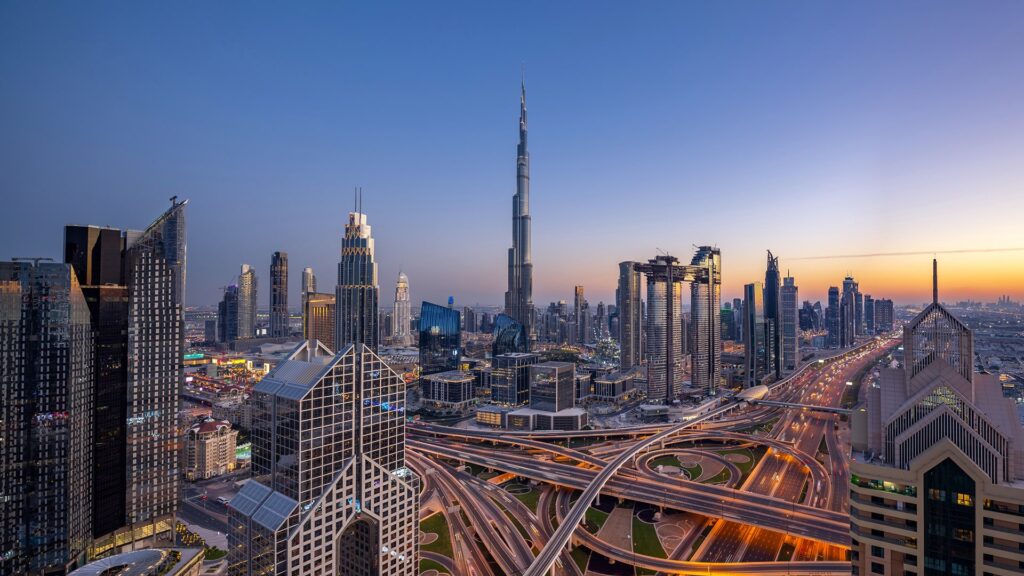
Dubai’s reputation as a gateway between the East and West is well‑earned. The city sits at the crossroads of the Indian Subcontinent, the Far East, Africa and Europe offering live‑time zone alignment, major transport infrastructure and world‑class connectivity. This makes it an outstanding platform for international companies seeking access to the Middle East, Africa and Asia markets.
From the bustling logistics operations of the Dubai Airport Free Zone to the hi‑tech clusters in Dubai Silicon Oasis, Dubai’s free zones are built to support trade, innovation, manufacturing and services alike. The layers of logistics, warehousing, export routes and e‑commerce enable free‑zone companies to scale fast. Importantly, Dubai’s legal and regulatory environment driven by UAE Government and successive reforms ensures transparency, stability and a pro‑business ethos.
For business owners, finance professionals and tax consultants, the strategic location isn’t just about geography; it’s about access, flexibility and a business‑friendly ecosystem. Engaging a seasoned adviser like Tulpar Global Taxation can further amplify that advantage, its three‑branch presence (Dubai, Sharjah and Ajman) reinforces local reach and regulatory expertise.
Comprehensive Dubai Free Zone Business Setup for Limited Liability Companies
Setting up a limited liability company through a Dubai freezone business setup offers investors full foreign ownership, flexible business registration, and a simplified process for business set up approved by respective free zone authorities. Entrepreneurs can choose the type of business that best suits their business needs, from trading to services, manufacturing, or holding structures.
Each free zone limited liability company enjoys a favorable business environment, streamlined business registration process, and access to a thriving free zone community designed for growth. With many free zones across the emirate, including IFZA Dubai, free zones in the UAE provide business setup solutions with transparent costs through a cost calculator, ensuring clarity before you start your business or register a new company.
Why Choose a Dubai Free Zone? Overview of Core Advantages
Choosing to register your company in a Dubai free zone comes with several strategic advantages:
100% foreign ownership with full repatriation of capital and profits
Tax‑efficient environment: often zero corporate and personal income tax, and duty exemptions on import/export
World‑class infrastructure, business ecosystem and support services
Seamless connectivity to regional and global markets
Simplified regulatory compliance, with clear licensing paths and flexible legal structures
Each of these factors plays a role in enabling business owners, finance professionals and tax consultants to optimise both formation and ongoing operations within the UAE market.
The Irresistible Benefits of Establishing Your Business in a Dubai Free Zone
Every free zone in the UAE offers a unique range of business activities and licensing options for a company in a free zone, supported by the UAE Government’s laws and regulations and full foreign ownership rights. Whether setting up one free zone entity or expanding an existing business, investors benefit from instant license options, free zone and consent procedures, and efficient data handling under strict terms and privacy policy.
Businesses established in free zones can obtain UAE residency, comply with UAE VAT law, and leverage a successful business venture built on transparency and innovation. The process of setting up is fast, secure, and compliant with free zone collecting your details only for verification, contacting you via email for updates, and ensuring that your type of company aligns with the UAE’s laws and regulations for sustainable success.
100% Foreign Ownership and Repatriation of Capital
One of the standout features of free‑zone company formation in Dubai is the guarantee of 100% foreign ownership, no local partner is required. This contrasts with many mainland structures where local participation may be mandatory. Free‑zone companies further benefit from unrestricted repatriation of capital and profits, enabling you to transfer earnings, dividends and initial investment out of the UAE without hindrance.
A Tax‑Efficient Environment: Zero Corporate and Personal Income Tax, No Import/Export Duties
Free zones in Dubai provide a highly attractive tax‑efficient environment. In many cases there is zero corporate tax, zero personal income tax (for shareholders and employees), and no import/export duties on goods moving through the zone. For example, DAFZA explicitly lists “100% repatriation of capital & profits, no corporate tax, no income tax” as core benefits.
While recent UAE Corporate Tax Law changes and VAT rules apply, free‑zone companies structured properly (with export‑oriented or international operations) can exploit exemptions and favourable tax treatment. Engaging tax agents like Ezat Alnajm or consulting with Tulpar Global Taxation is vital for structuring accordingly.
World‑Class Infrastructure and Business Environment
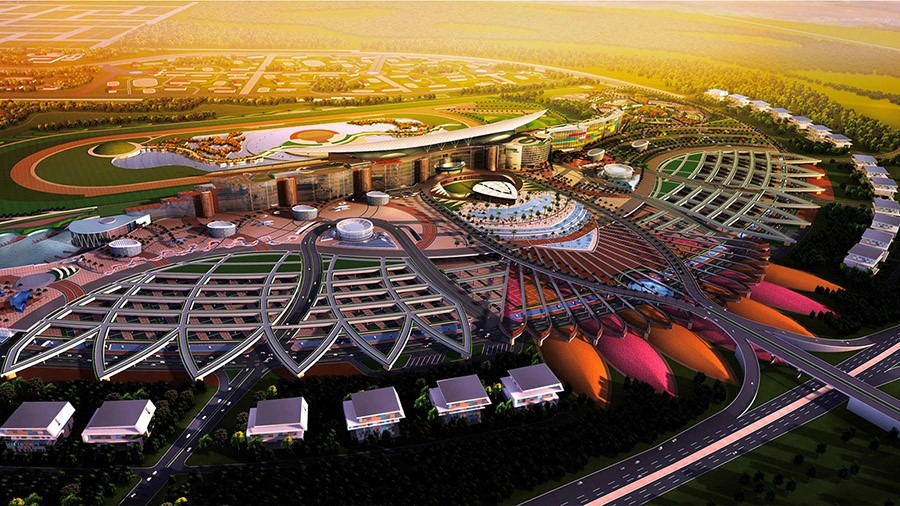
Dubai’s free zones deliver world‑class infrastructure from Grade‑A offices, flexi‑desks, industrial units and logistics hubs to serviced warehousing, digital connectivity and global telecommunication links. Free‑zone communities often come with built‑in ecosystems of complementary businesses, trade networks and access to skilled talent. This professional business environment binds together physical presence and digital capability.
Seamless Connectivity: A Gateway to the Middle East, Africa, and Asia
With one of the world’s busiest airports, leading seaports and extensive road/rail links, Dubai free zones offer seamless access to regional and international markets. Whether you’re importing components from Asia, distributing into Africa or servicing clients in Europe, your free‑zone company benefits from logistics, customs and trade‑friendly operations located right in the Emirate.
Simplified Regulatory Compliance and Business‑Friendly Regulations
Compared with many jurisdictions, Dubai’s free‑zone frameworks simplify the company formation, licensing and operation processes. The (formerly DED) guidelines confirm the streamlined steps such as trade‑name approval, licence issuance and office‑space leasing for free‑zones. Moreover, free‑zone authorities offer e‑services, digital applications and single‑window processes, reducing friction and enabling faster time‑to‑market.
Building on the core advantages, let’s dive deeper into the distinct benefits that make a Dubai free zone setup highly compelling.
Choosing the Right Dubai Free Zone for Your Business
Understanding Diverse Free Zone Ecosystems: More Than Just Locations
Dubai hosts over 30 free zones, each tailored to specific industry sectors, business models and investor needs. Some free zones excel in trading and logistics (e.g., JAFZA, DAFZA), while others focus on technology, media or healthcare (such as Dubai Silicon Oasis Authority, Dubai Media City, Dubai Healthcare City). The ecosystem you choose can influence your cost base, license category, visa quotas, and operational flexibility.
Key Factors for Strategic Selection: Industry Focus, Location, and Amenities
When selecting the right free zone, consider the following key factors:
Business activity: Does the free zone allow your desired business licence (trading, service, industrial, holding, offshore)?
Location and logistics: Are you targeting regional supply chain access, warehousing needs or pure service operations?
Office space solutions: Are flexi‑desks, virtual offices or full‑scale warehouses required?
Support ecosystem: Access to banks, telecommunications, legal services and visa processing. Free zone authorities like DAFZA provide comprehensive service portals and one‑stop set‑up support.
Cost structure: Licence fees, registration costs, office lease, visa expenses, these vary significantly across free zones.
Spotlight on Leading Dubai Free Zones and Their Unique Offerings
DAFZA (Dubai Airport Free Zone): Ideal for logistics, cargo, global trading companies. Promotes 100 % foreign ownership, duty exemptions and smart‑services.
JAFZA (Jebel Ali Free Zone Authority): Strong manufacturing and industrial hub with deep logistics infrastructure and global shipping.
Dubai Silicon Oasis (DSO): Technology‑driven free zone, suited for start‑ups, innovation, IT firms and service companies. Licence and office options vary.
Each of these shows how selecting the right free zone maximises your strategic advantages and aligns your setup costs with long‑term growth objectives.
The Step‑by‑Step Guide to Free Zone Company Formation in Dubai
Phase 1: Initial Planning and Business Activity Definition
Begin by defining your business activity i.e. trade, service, industrial, holding or offshore. Choose the legal structure (e.g., Free Zone Company (FZCO), Free Zone Establishment (FZE), or branch). Select a trade name compliant with free zone naming regulations. At this stage, engage a tax and business advisor (such as Tulpar Global Taxation) to review capital requirements, legal structure and tax implications.
Phase 2: Documentation and Initial Approvals
Submit initial application to the relevant Free Zone Authority including user‑approved trade name, business plan, shareholder/director passport copies, proof of address, and capital deposit (if required). Free zone guides note the minimum paid‑up capital may vary (e.g., AED 1,000 in some zones, or AED 150,000 in others). Obtain initial approval and other regulatory consents where required.
Phase 3: Licensing and Registration
Once approvals are in place, you apply for the free zone licence (trading, service, industrial). Pay requisite licensing and registration fees based on type of license. Secure the license and register the entity with the Free Zone Authority, obtaining the required legal identity, trade licence, company stamp, and possibly the industrial or commercial license depending on activity.
Phase 4: Office Space and Physical Presence
You must secure office space or warehouse within the free zone this may be a virtual office, flexi‑desk, serviced office or full warehouse depending on your business activity and budget. Free zones often require proof of lease agreement before final licence issuance. After this step, you move into setting up bank account and visas.
Beyond Setup: Essential Post‑Registration Formalities and Operational Aspects

Opening a Corporate Bank Account in the UAE
Once your free zone company is registered, the next crucial step is to open a corporate bank account. This will require company licence, identification documents for signatories, proof of business activity and sometimes minimum deposit thresholds. Engaging professional assistance simplifies this. Without a functioning bank account, you cannot operationalise business transactions or repatriate profits.
Navigating UAE Residence Visas and Emirates ID Application
As a shareholder or manager of a free zone company, you are eligible to sponsor your own residence visa and possibly dependants. The process involves medical screening, Emirates ID application, visa stamping and labour card process. Free zone authorities often offer visa services as part of their company setup packages.
Ongoing Regulatory Compliance and Renewals
Maintaining compliance is crucial. Freezone companies must renew licences annually, update any change in activity, directors, shareholders or office lease. Companies also need to monitor evolving regulations such as the UAE Corporate Tax law, VAT registration thresholds, and Free Zone rules for “Qualifying Free Zone Person” to benefit from exemptions. Regular auditing, record‑keeping and legal review are key to sustained growth and compliance.
Decoding the Costs: An Investment Analysis for Dubai Free Zone Setup
Breakdown of Free Zone Set‑up Costs: What to Expect
Costs for business setup Dubai freezone typically include: trade name reservation, initial approval, licence fee, registration fee, lease of office/warehouse, visa and immigration costs, bank account opening, and any paid‑up capital requirement. According to one recent industry guide, licence fees range:
DAFZA: AED 15,000‐30,000
DMCC: AED 15,000‐35,000
Dubai Silicon Oasis: AED 15,000‐25,000
Flexi‑desk or virtual office solutions: AED 10,000‑20,000 annually.
Comparative Cost Analysis: Free Zone vs. Mainland vs. Offshore Companies
While free zone setup fees are competitive and streamlined, if you compare with mainland company formation, mainland may involve local sponsor fees and 51 % local ownership (unless certain reforms apply). Offshore companies have lower cost but limited physical presence and trade rights within UAE mainland.
Free zone provides a balanced solution: trading rights, 100 % ownership, and full support for physical presence. Thus, for many international investors, free zone business setup in Dubai offers optimal cost‑benefit.
Maximizing Your Return on Investment (ROI) and Long‑Term Value
To optimise ROI, consider: selecting a free zone aligned with your business activity (reducing redundant cost), choosing appropriate office solution (avoiding over‑commitment), capitalising on duty and tax efficiencies (such as full repatriation, zero corporate tax), and planning for scalability (visa quotas and expansions). The use of a specialist tax advisory firm such as Tulpar Global Taxation during setup and post‑setup significantly enhances compliance and profitability.
Strategic Expansion and Compliance Post‑Setup
Connecting with the Mainland: Navigating Inter‑Company Operations and DED Regulations
If you intend to trade beyond the free zone into Dubai mainland, you’ll need to review inter‑company service agreements or appoint a local distributor. The Department of Economy and Tourism (DET) and other authorities regulate the movement of goods and services between free zones and mainland. Structuring transactions properly ensures regulatory compliance and tax‑efficient operations.
Leveraging Free Zone Advantages for Global Trade and Market Access
Freezone companies are uniquely positioned to tap into global supply chains, conduct re‑export activities, and utilise UAE’s double taxation treaties. By locating in a hub like Dubai, you benefit from global air‑ and sea‑links, modern infrastructure, and a business‑friendly regulatory environment. Use your free zone licence to expand across Africa, Asia and the Middle East.
Fostering Business Growth: Networking Opportunities and Free Zone Support Ecosystems
Free zones often provide visionary ecosystem support—such as industry clusters, incubators, networking events, seminars, and access to investors. Free zone authorities frequently organise business matchmaking and sector‑specific forums, giving you a platform to scale. Engaging with these ecosystems enhances business visibility and growth.
Adapting to Evolving Regulations and Future Trends in the UAE Business Environment
Regulatory evolution is constant: changes to corporate tax rules, substance requirements for free zone entities, visa and labour reforms, digitisation of licensing procedures. Maintaining agility means staying informed and leveraging compliant structures. For instance, review how “Qualifying Free Zone Person” rules affect your entity. Engaging advisors (such as Tulpar Global Taxation) helps you navigate and adapt ahead of the curve.
Importance of Regular Compliance Checks and Professional Legal Services
Regular compliance audits safeguard your licence, protect your tax status and ensure operational continuity. Legal services are essential nfrom trade‑name renewals and shareholder changes, to licensing renewals and immigration status. Investing in professional assistance is far more cost‑effective than rectifying non‑compliance later.
Navigating Complexity with Expert Guidance
Why Engage a Business Setup Consultant?
While many freezone companies follow streamlined processes, the complexity of optimal structuring, tax compliance, inter‑company agreements, trading rights and visa quotas makes professional advisory indispensable.
A specialist consultant helps you navigate:
Selecting the right free zone aligned with your business
Structuring for tax‑efficient operations and regulatory compliance
Arranging bank account opening and residence visas
Managing renewals and ongoing compliance
Tulpar Global Taxation (in Dubai, Sharjah and Ajman) provide expertise across business setup, taxation and ongoing advisory. Similarly, working with a certified tax agent such as Ezat Alnajm in Dubai ensures your structure aligns with UAE FTA and corporate tax norms.
Avoiding Common Pitfalls and Costly Mistakes
Common pitfalls include: choosing the cheapest free zone without matching business activity, under‑estimating visa or office lease costs, overlooking inter‑company compliance when trading with mainland, neglecting bank account opening timelines, and failing to monitor regulatory changes. Avoiding these requires strategic planning, accurate cost forecasting and disciplined execution. With expert guidance, you avoid hidden costs and structure pitfalls, ensuring your free‑zone venture in Dubai is built on a solid foundation.
Top 10 Business Ideas for Dubai Free Zones
Dubai’s free zones offer fertile ground for a wide range of industries. Below are ten high-potential business ideas, each aligned with a specific free zone and supported by Tulpar Global Taxation’s expertise.
1.) E-Commerce Business (DMCC, JAFZA)
- Why: Dubai’s tax-free status and logistics hubs make it a prime location for online retail.
- Estimated Setup Cost: AED 15,000–AED 25,000 (license + flexi-desk).
- Free Zone Fit: DMCC for trading activities, JAFZA for logistics and shipping.
2.) IT Consulting (DIC)
- Why: High demand for tech solutions in Dubai’s digital economy, from cloud computing to cybersecurity.
- Estimated Setup Cost: AED 18,000–AED 30,000.
- Free Zone Fit: DIC’s tech ecosystem, with access to incubators and tech giants.
3.) Digital Marketing Agency (DMC)
- Why: Growing need for online branding and advertising in a competitive market.
- EstimatedSetup Cost: AED 15,000–AED 25,000.
- Free Zone Fit: DMC’s creative community, ideal for media and marketing.
4.) Logistics and Freight Forwarding (JAFZA)
- Why: Dubai’s strategic location and Jebel Ali Port support global shipping.
- Estimated Setup Cost: AED 20,000–AED 50,000.
- Free Zone Fit: JAFZA’s logistics infrastructure and port access.
5.) Healthcare Consulting (DHCC)
- Why: Rising demand for medical expertise and wellness services in the UAE.
- Setup Cost: AED 20,000–AED 40,000.
- Free Zone Fit: DHCC’s healthcare-focused regulatory framework.
6.) Financial Advisory (DIFC)
- Why: Wealth management and financial services thrive in Dubai’s financial hub.
- Setup Cost: AED 50,000–AED 100,000.
- Free Zone Fit: DIFC’s prestigious location and global networks.
7.) Food and Beverage Trading (DMCC)
- Why: High demand for imported F&B products in Dubai’s diverse market.
- Setup Cost: AED 20,000–AED 35,000.
- Free Zone Fit: DMCC’s trading hub for commodities.
8.) Event Management (DMC)
- Why: Dubai’s vibrant events scene, from expos to concerts, drives demand.
- Setup Cost: AED 15,000–AED 25,000.
- Free Zone Fit: DMC’s creative network and media resources.
9.) Renewable Energy Consulting (Dubai South)
- Why: UAE’s focus on sustainability creates opportunities for green businesses.
- Setup Cost: AED 12,500–AED 25,000.
- Free Zone Fit: Dubai South’s green initiatives and cost-effective licensing.
10.) Education and Training Services (Dubai Knowledge Park)
- Why: Growing need for professional development and upskilling programs.
- Setup Cost: AED 15,000–AED 30,000.
- Free Zone Fit: Dubai Knowledge Park’s education-focused ecosystem.
Tulpar Global Taxation aligns these business ideas with the optimal free zone, ensuring licensing and operational success.
Top Free Zones in Dubai for 2026: A Detailed Comparison
Choosing the right free zone is pivotal. Below is a detailed comparison of Dubai’s top free zones for 2026, highlighting their focus, benefits, costs, and ideal business types.
Jebel Ali Free Zone (JAFZA)
- Focus: Logistics, trading, manufacturing.
- Benefits: Access to Jebel Ali Port, cost-effective licensing, and extensive warehousing.
- Cost: Licenses from AED 15,000; renewals from AED 5,000.
- Ideal For: Global trade and logistics businesses.
Dubai Multi Commodities Centre (DMCC)
- Focus: Trading, commodities, services.
- Benefits: Hosts 20,000+ businesses, offers networking events, and supports diverse activities.
- Cost: Licenses from AED 20,000; renewals from AED 10,000.
- Ideal For: E-commerce, trading, and service-based businesses.
Dubai Internet City (DIC)
- Focus: Technology, IT, innovation.
- Benefits: Tech hub with startup incubators and access to global tech firms.
- Cost: Licenses from AED 18,000; renewals from AED 8,000.
- Ideal For: Tech startups and IT consulting firms.
Dubai South Free Zone
- Focus: Aviation, logistics, startups.
- Benefits: Affordable licensing, proximity to Al Maktoum Airport, and green incentives.
- Cost: Licenses from AED 12,500; renewals from AED 5,000.
- Ideal For: Budget-conscious entrepreneurs and aviation businesses.
Dubai International Financial Centre (DIFC)
- Focus: Finance, banking, wealth management.
- Benefits: Prestigious location, common law framework, and global financial networks.
- Cost: Licenses from AED 50,000; renewals from AED 20,000.
- Ideal For: Financial advisory and banking firms.
Tulpar Global Taxation provides expert guidance to select the free zone that best aligns with your business objectives.
Overcoming Challenges in Dubai Free Zone Business Setup
While Dubai’s free zones offer immense opportunities, entrepreneurs may face challenges. Below are common hurdles and solutions, optimized for engagement.
- Challenge 1: Navigating Complex Regulations – Free zones have strict compliance requirements, and errors in documentation can delay setup. Tulpar Global Taxation ensures accurate documentation, liaises with free zone authorities, and expedites approvals.
- Challenge 2: Choosing the Right Free Zone – With over 40 free zones, selecting the optimal one can be overwhelming. Tulpar Global Taxation conducts personalized assessments to match your business with the best free zone based on industry, budget, and goals.
- Challenge 3: Managing Setup Costs – Unexpected expenses, such as attestation fees or premium office rentals, can strain budgets. Tulpar Global Taxation negotiates flexible payment plans and identifies cost-effective options like Dubai South or flexi-desks.
- Challenge 4: Visa Quotas – Limited visa allocations can restrict hiring, especially for businesses with large teams. Tulpar Global Taxation advises on high-quota zones like DMCC and optimizes visa strategies to meet staffing needs.
Future Trends Shaping Dubai’s Free Zones in 2026
Dubai’s free zones are evolving to stay ahead of global business trends. Below are key developments to watch, with insights from Tulpar Global Taxation.
Technology-Driven Growth
- AI and Blockchain: Zones like Dubai Silicon Oasis are investing in AI, blockchain, and IoT, attracting tech startups and R&D firms.
- Digital Transformation: Free zones are adopting smart technologies to streamline operations and enhance customer experiences.
Sustainability Initiatives
- Green Incentives: Dubai South offers tax breaks and grants for eco-friendly businesses, aligning with UAE’s net-zero goals by 2050.
- Renewable Energy: Free zones are prioritizing solar and wind energy projects to support sustainable development.
Expanded Visa Quotas
- Increased Allocations: Free zones are relaxing visa restrictions to attract global talent, particularly in tech and healthcare.
- Remote Work Visas: New visa categories support digital nomads and remote entrepreneurs.
Digital Services
- Online Portals: Free zones are launching digital platforms for licensing, renewals, and compliance, reducing paperwork.
- E-Governance: Blockchain-based systems ensure transparency and security in transactions.
Tulpar Global Taxation helps clients leverage these trends to stay competitive and compliant.
Start Your Free Zone Business with Tulpar Global Taxation

Tulpar Global Taxation is your trusted partner for navigating Dubai’s free zone ecosystem. Their services include:
- End-to-End Support: From free zone selection to banking and visa processing.
- Regulatory Expertise: Ensures compliance with free zone and UAE regulations.
- Cost Optimization: Minimizes setup and operational expenses through strategic planning.
- Ongoing Services: Provides audits, license renewals, and financial advisory to support long-term success.
With Tulpar Global Taxation, you gain a reliable ally to transform your business vision into reality.
Conclusion: Your Strategic Launchpad for Success in Dubai and Beyond
Recapping the Unrivalled Advantages of Dubai Free Zones
In summary, establishing a business in the UAE free zone offers: 100 % foreign ownership, strong tax‑efficiencies, access to global markets, world‑class infrastructure, streamlined licence and registration processes, and flexible office solutions. It presents an ideal platform for foreign investors, service providers, holding companies and trading entities alike. When properly executed, the business setup Dubai freezone becomes not just an entity, but a strategic launchpad for regional and global expansion.
Your Journey to Business Excellence Begins Here
Your next step is to define your business activity, select the free zone aligned with your objectives, map out the cost structure (including freezone business registration fees, free zone licence cost in Dubai, office space and visa costs), and engage trusted professional advisors from the start. Firms like Tulpar Global Taxation (with branches in Dubai, Sharjah and Ajman) and tax‑agent Ezat Alnajm (FTA certified in Dubai) can guide you through the formation, licensing, bank account opening, visa process and ongoing compliance.
With the right preparation, you’ll leverage Dubai’s strategic edge and free‑zone ecosystem to launch, scale and succeed in the UAE market and beyond. By following this comprehensive guide, you’re positioning your business for operational excellence, cost‑efficiency and maximum growth potential in one of the world’s most dynamic business hubs.
FAQs:
Dubai Free Zone business setup means establishing a company within a designated Free Zone where businesses benefit from 100% foreign ownership, tax incentives, and simplified compliance. Free Zones cater to specific industries like logistics, media, technology, and finance, with tailored support and infrastructure.
Free Zones offer strategic advantages such as 100% repatriation of profits and capital, zero Corporate Tax (subject to qualifying conditions), simplified licensing, and access to global markets. For many investors, Free Zone setup offers cost effectiveness and regulatory clarity in 2026.
Dubai Free Zones offer a variety of license types, including trading, service, industrial, consultancy, e-commerce, and professional licenses. The permitted activities depend on the specific Free Zone’s focus. Choosing the right activity group is critical for compliance and business operations.
Yes — Free Zone companies in Dubai allow 100% foreign ownership without the need for a local sponsor. This makes them attractive to international entrepreneurs and investors. Full ownership also allows control of profits, strategy, and operations.
The timeline varies based on documents and approvals, but many Free Zone setups in Dubai can be completed within a few days to a few weeks. Preparation of correct documentation and clear activity selection helps speed up the process.
Yes, Dubai Free Zone companies must register for VAT if they meet the taxable turnover threshold. Free Zone status does not automatically exempt a business from VAT. VAT compliance includes registration, return filing, and record retention.
Yes, all companies in the UAE — including Dubai Free Zone entities — are subject to Corporate Tax. Free Zone companies may qualify for the 0% rate on qualifying income if they meet the conditions of a Qualifying Free Zone Person (QFZP). Registration and filings are still required even if the rate is 0%.
Dubai Free Zone companies can sponsor investor and employee visas based on license type and office space. Visa quotas vary, and many Free Zones offer flexible packages. Visa support is a key benefit for businesses expanding operations and talent in the UAE.
Yes, but trading directly with the UAE Mainland typically requires a local distributor or partner unless the Free Zone company obtains a specific Mainland trade permit. Professional advice helps structure this correctly to avoid compliance gaps.
Experienced corporate service and tax advisors help with entity selection, licensing, documentation, and regulatory compliance. Working with Tulpar Global Taxation ensures a smooth setup process, accurate tax and regulatory alignment, and ongoing compliance support.
