
What is Tokenization in UAE – 2026 Guide To Regulation and Market Opportunities
Table of Contents

Let's Talk
Sign Up For Free Consultation
UAE as the Global Hub for Tokenisation in 2026
In 2026, the UAE has become the global hub for tokenisation in the UAE, driven by innovation, strong regulatory frameworks in the UAE, and institutional adoption of tokenised real-world assets. Across every emirate, including Dubai and Abu Dhabi, businesses and investors are leveraging blockchain to transform assets in the UAE into tradable digital tokens.
With alignment between regulators such as VARA, DFSA, ADGM, and the Central Bank of the UAE, the country provides a complete ecosystem for tokenised assets, ensuring security, investor protection, and scalable growth.
What is Tokenization and Why It Matters in UAE
Tokenization (tokenisation) is the process of converting ownership rights of a real-world asset (RWA) into digital tokens on a blockchain network.
Each token represents a share in an underlying asset, enabling fractional ownership, improved liquidity, and efficient transfer of value.
Key Benefits of Tokenization:
- Fractional Ownership: Enables access to premium asset class investments
- Liquidity: Enables trading on a secondary market
- Security: Blockchain ensures immutable records and transparency
- Accessibility: Allows UAE ID holders and global investors to participate
This transformation is reshaping:
- Real estate in Dubai
- Commodities backed by reserve assets
- Financial instruments and tokenised financial instruments
Tokenisation in the UAE: Market Growth and Real Estate Market Transformation
The growth of tokenisation in the UAE is accelerating due to rising demand for tokenised assets and innovation across industries.
Real Estate Market in Dubai and UAE
The real estate market is the strongest driver of tokenization in UAE, particularly in properties in Dubai.
Supported by the Dubai Land Department (DLD), real estate tokenization is enabling:
- Investment in real estate tokens starting from low AED values
- Participation by UAE ID holders and global investors
- Increased liquidity in the real estate sector
- Capital access for real estate developers
This shift is defining the future of property investment, powered by tokenised real estate and enabling fractional ownership.
Regulatory Frameworks in the UAE for Tokenization
The UAE operates a highly advanced regulatory framework, supported by multiple regulators and regulatory authorities.
Key Regulatory Authorities
- Virtual Assets Regulatory Authority – Governs virtual assets in Dubai
- Dubai Financial Services Authority – Regulates digital securities in DIFC
- Financial Services Regulatory Authority – Oversees tokenised financial instruments in Abu Dhabi
- Central Bank of the UAE – Supervises payment tokens and financial systems
These authorities ensure:
- Strong investor protection
- Effective oversight
- Market integrity and risk management
VARA Framework, ARVA, and Token Issuance
The Virtual Assets Regulatory Authority (VARA) is central to tokenisation in the UAE, particularly in Dubai.
Key Areas:
- Category 1 VA Issuance
- Asset-Referenced Virtual Asset (ARVA)
- Licensing of tokenization platforms
- Regulation of each issuer
Reserve Assets and Compliance
All asset-referenced virtual asset structures must be backed by audited reserve assets, ensuring security and trust.
VARA and the CMA Alignment

The alignment between VARA and the CMA (Capital Markets Authority) ensures:
- Cross-border compliance
- Stronger regulatory frameworks in the UAE
- Increased institutional investor confidence
This collaboration between VARA and the CMA is critical for scaling tokenised assets globally.
DIFC (DFSA) and Institutional Tokenised Financial Instruments
Within DIFC, the DFSA regulates:
- Digital securities
- Tokenised financial instruments
- Institutional financial instruments
This framework supports:
- Large-scale real estate investment
- Capital markets integration
- Institutional participation
ADGM and Tokenisation Regulatory Sandbox
In Abu Dhabi, ADGM operates under the Financial Services Regulatory Authority.
Key Advantages:
- Advanced tokenisation regulatory sandbox
- Support for special purpose vehicle (SPV) structures
- Legal clarity under common-law financial free zones
ADGM is ideal for:
- Complex tokenised real-world assets
- Structured real estate investment
Payment Token Services Regulation (PTSR 2024)
The Payment Token Services Regulation (PTSR 2024) introduced by the Central Bank of the UAE governs payment token services regulation.
Key Features:
- Regulates payment-focused virtual assets
- Requires backing by reserve assets
- Ensures financial system stability
This framework explicitly regulates payment-focused virtual assets, ensuring compliance and trust.
RWA Tokenisation in the UAE and Tokenised Real-World Assets
RWA tokenisation in the UAE is expanding rapidly across industries, enabling the transformation of physical and financial assets in the UAE into tradable digital tokens.
Key Highlights:
- Growth of tokenised real-world assets across multiple sectors
- Increased adoption of tokenised assets by global investors
- Expansion of new asset class opportunities
Examples include:
- Tokenised real estate
- Commodities backed by reserve assets
- Infrastructure and alternative investments
This positions the UAE as a leader in tokenised real-world assets globally.
How Tokenised Real Estate Works in UAE
The process of real estate tokenization is structured and regulated.
Step-by-Step Process:
- Property transferred into a special purpose vehicle (SPV)
- SPV holds the underlying asset
- Ownership divided into real estate tokens
- Tokens issued via tokenization platforms
- Investors receive ownership rights
- Tokens traded on a secondary market
Role of DLD and Dubai Future Foundation
The development of okenized real estate in the UAE is strongly supported by key government institutions that combine regulatory oversight with innovation leadership.
Dubai Land Department (DLD)
Dubai Land Department plays a central role in ensuring that tokenised property assets remain legally aligned with the official land registry system. Its involvement helps maintain transparency, legal enforceability, and accurate record-keeping for fractional ownership structures. By integrating blockchain-based property models with the traditional registry, the DLD helps bridge digital innovation with existing real estate governance frameworks.
Dubai Future Foundation
Dubai Future Foundation focuses on advancing innovation and future technologies across sectors, including real estate tokenisation. It supports experimentation with emerging technologies such as blockchain, digital assets, and smart property systems. Through initiatives and pilot programs, it helps create an environment where new ownership models can be tested and scaled.
Impact on Real Estate
Together, these institutions strengthen the foundation for fractional ownership and improved efficiency in the real estate sector. The DLD ensures regulatory stability and integration with official property records, while the Dubai Future Foundation drives forward-looking innovation. This combination supports a more accessible, transparent, and technologically advanced property market in Dubai.
Tokenised Assets Across Asset Classes
Tokenisation is reshaping how ownership and investment work across a wide range of asset classes by converting real-world assets into digital tokens on a blockchain. This makes assets easier to divide, transfer, and trade, while also improving accessibility and liquidity.
Real Estate
In real estate, tokenisation allows physical properties to be divided into digital shares. Instead of needing large capital to buy a whole property, investors can own fractions of income-generating assets such as residential buildings, commercial offices, or rental units. This opens the market to smaller investors while also enabling property owners to raise capital more efficiently.
Commodities
Commodities like gold are increasingly being represented through digital tokens backed by physical reserves. For example, gold-backed tokens are tied to actual stored bullion, combining the stability of tangible assets with the flexibility of digital trading. This approach reduces barriers to entry and simplifies the process of buying, selling, and transferring commodity exposure.
Financial Instruments
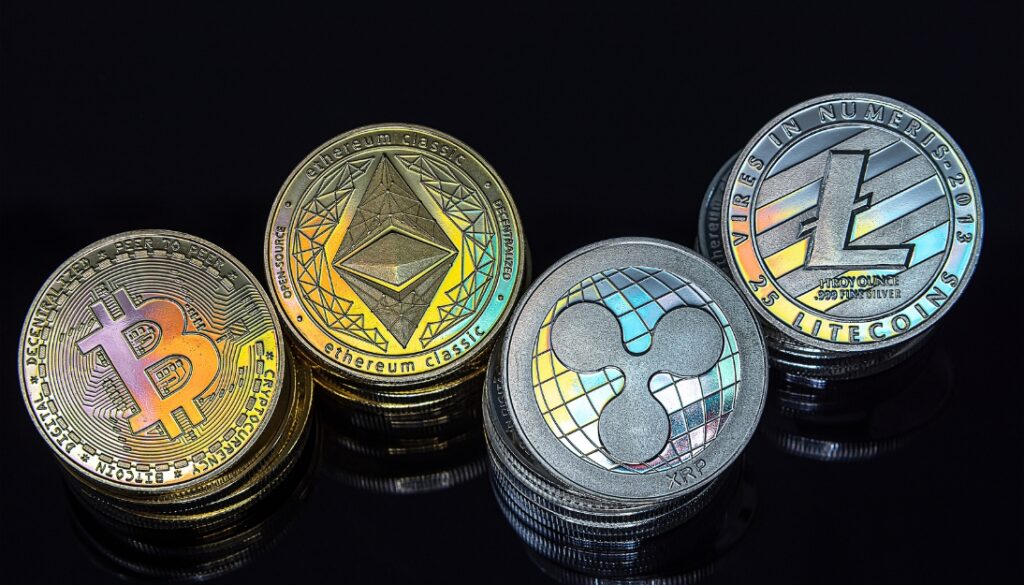
Traditional financial instruments such as bonds and equities are also being digitised through tokenisation. Tokenised securities can be issued, settled, and traded more efficiently compared to conventional systems. This can reduce settlement times, lower administrative costs, and potentially increase market participation by enabling fractional ownership of high-value instruments.
Alternative Assets
Tokenisation is also expanding into alternative asset classes such as gemstones, mining rights, fine art, and land. These assets have traditionally been illiquid and difficult to divide, but tokenisation enables fractional ownership and easier transferability. As infrastructure develops, more real-world assets are expected to become tokenised, further broadening investment opportunities.
Overall, tokenisation is gradually bridging the gap between physical assets and digital financial systems, making markets more accessible, efficient, and global.
Licensing for Tokenization in UAE (2026)
To operate legally, businesses must obtain approval from a regulatory authority.
Licensing Jurisdictions:
- VARA (Dubai)
- DFSA (DIFC)
- FSRA (ADGM)
Requirements:
- Setup in free zone or mainland
- AML/KYC compliance
- Whitepaper for token issuance
- Governance and risk management
Custody frameworks
Taxation on Tokenisation in the UAE
The UAE applies its standard corporate tax and VAT framework to businesses involved in tokenisation activities, depending on the nature of the activity and how the tokens are structured and used.
Corporate Tax
In the UAE, corporate tax is generally applied at a rate of 9% on net profits for businesses that exceed the taxable threshold.
For companies involved in tokenization such as issuing tokenised assets, operating blockchain platforms, or managing digital asset structures profits derived from these activities are typically subject to this corporate tax regime, provided they fall within taxable business income.
VAT
The UAE also applies 5% Value Added Tax (VAT) on most services. In the context of tokenisation, VAT may apply to services such as:
- Platform or issuance fees for tokenised assets
- Advisory or structuring services
- Technology and blockchain service provision
- Management or administration services linked to tokenised products
The VAT treatment can vary depending on whether the token is classified as a service, a financial instrument, or a commodity-backed asset, so proper classification is important for compliance.
Overall, businesses operating in the tokenisation space in the UAE need to assess both corporate tax and VAT obligations based on their specific structure, activity type, and revenue model.
Structuring Strategy:
- Use SPV and free zone structures
- Optimize for global investor participation
Firms like Tulpar Global Taxation, with offices in Dubai, Sharjah, and Ajman, provide expert advisory. Specialists such as Ezat Alnajm, FTA certified tax agent and transfer pricing expert in Dubai, UAE help structure compliant tokenisation models.
Tokenization Platforms and Secondary Market Liquidity
Modern tokenization platforms enable:
- Issuance of digital tokens
- Trading of tokenised assets
- Efficient secondary market operations
This enhances liquidity and market access.
Investor Protection, Security, and Risk Management
The UAE ensures strong investor protection through:
- Regulatory oversight
- Asset custody frameworks
- Transparent disclosures
Risk Management Includes:
- Market volatility
- Cybersecurity for digital assets
- Regulatory compliance
Future of Tokenisation in the UAE (2026 and Beyond)
The UAE is positioning itself as a leading hub for digital assets, and tokenisation is expected to play a central role in reshaping investment, especially in real estate and capital markets.
Expansion of Real Estate Tokenisation
Real estate tokenisation is expected to grow significantly, particularly in markets like Dubai and Abu Dhabi. Property developers and platforms are increasingly exploring fractional ownership models, allowing investors to access high-value real estate with lower entry costs. This shift is likely to increase liquidity in a traditionally illiquid sector and broaden participation from global investors.
Growth of Tokenised Real-World Assets (RWAs)
Beyond property, the tokenisation of real-world assets such as commodities, infrastructure projects, private credit, and alternative investments is expected to accelerate. These digital representations of physical assets improve transparency, enable fractional ownership, and streamline cross-border investment flows.
Institutional Adoption of Digital Securities
Banks, asset managers, and sovereign-linked investment entities in the UAE are gradually moving toward digital securities infrastructure. This includes tokenised bonds, funds, and structured products. As regulatory frameworks continue to mature, institutional adoption is expected to become a key driver of market scale and legitimacy.
Strategic Outlook:
- UAE as global hub for virtual assets
- Increased global investor participation
- Enhanced liquidity across markets
- Strengthened regulatory frameworks in the UAE
Final Thought
The tokenization in UAE – 2026 complete guide highlights how the UAE is transforming ownership through blockchain, digital assets, and tokenisation. With strong regulators, clear regulatory frameworks, and increasing demand, Dubai, Abu Dhabi, and the wider UAE ecosystem offer unmatched opportunities to unlock value from tokenised assets and lead the next evolution of global finance.
Tulpar Global Taxation provides end-to-end advisory services for businesses and investors operating in the tokenisation space in the UAE. From structuring SPVs and ensuring corporate tax efficiency to managing VAT compliance and cross-border regulatory obligations, the firm helps clients build fully compliant and scalable tokenisation models. With deep expertise in UAE tax law and digital asset frameworks, Tulpar Global Taxation supports secure, tax-optimized entry into tokenised real estate, RWAs, and blockchain-based investment structures across Dubai and the wider UAE market.
FAQs:
Yes, real estate tokenization is fully legal and regulated in Dubai. As of 2026, the Virtual Assets Regulatory Authority (VARA), in coordination with the Dubai Land Department (DLD), provides a clear framework for Asset-Referenced Virtual Assets (ARVA). This allows properties to be fractionalized into digital tokens, provided the issuer holds a valid VARA license and the underlying asset is held within a regulated Special Purpose Vehicle (SPV).
To launch a platform, you must first select a jurisdiction: VARA (Dubai mainland/DSO), DFSA (DIFC), or FSRA (ADGM). The process involves:
- Registering a legal entity (Free Zone or Mainland).
- Submitting a detailed Whitepaper and AML/KYC policies.
- Appointing a certified Money Laundering Reporting Officer (MLRO).
- Obtaining a VASP (Virtual Asset Service Provider) license.
For precise corporate structuring and compliance, consulting experts like Ezat Alnajm, an FTA certified tax agent in Dubai ensures your platform meets both regulatory and UAE tax requirements.
In 2026, the UAE maintains a competitive tax environment:
- Corporate Tax: A 9% rate applies to net profits exceeding AED 375,000.
- VAT: A 5% VAT is generally applicable to services provided by tokenization platforms.
- Personal Income Tax: There is 0% tax on personal capital gains from tokenized investments for individuals.
Firms like Tulpar Global Taxation specialize in optimizing these structures to ensure global investors remain compliant while maximizing returns.
Absolutely. One of the primary advantages of tokenization in 2026 is accessibility. Global investors can purchase real estate tokens using their digital wallets after completing a remote KYC (Know Your Customer) process. While you do not need a residency visa to hold tokens, owning a significant share in certain tokenized projects may qualify you for investment-based residency programs under updated 2026 guidelines.
- VARA (Dubai): Focuses on the retail and broader virtual asset ecosystem across Dubai. It is the go-to for “Category 1” VA Issuance.
- ADGM (Abu Dhabi): Operates under common law and is preferred for complex, institutional-grade Tokenised Financial Instruments and high-value RWA structures involving sophisticated SPVs.
Yes. Under the VARA Framework and the Central Bank’s PTSR 2024 (Payment Token Services Regulation), all asset-referenced tokens must be backed by audited reserve assets. This ensures that every digital token circulating in the market has a verifiable 1:1 or appropriately collateralized link to a real-world asset like gold, property, or cash.
In 2026, the alignment between VARA and the UAE Capital Markets Authority (CMA) prevents regulatory gaps. If a tokenized asset functions like a security (offering dividends or profit-sharing), it may fall under dual oversight. Ezat Alnajm and the team at Tulpar Global Taxation provide critical Transfer Pricing and compliance advisory to navigate this “dual-layer” regulatory environment.
A Special Purpose Vehicle (SPV) is a legal entity created to hold a specific asset (like a skyscraper in Downtown Dubai) separate from the parent company. In tokenization, the SPV owns the property, and the tokens represent shares in that SPV. This structure protects investors by ensuring that even if the platform faces financial issues, the underlying physical asset remains secure and legally owned by the token holders.
While the UAE offers world-class protection, risks include:
- Smart Contract Vulnerability: Potential bugs in the blockchain code.
- Secondary Market Liquidity: Some niche tokens may have fewer buyers than major assets.
- Regulatory Changes: As the market evolves, new compliance filings may be required.
Working with an FTA Certified Tax Agent ensures that your investment remains “tax-efficient” even as global and local regulations shift.
The UAE’s leadership stems from its “regulation-first” approach. By 2026, the country has integrated blockchain directly into the Dubai Land Department and established the world’s first dedicated virtual asset regulator (VARA). This, combined with the 2024 Payment Token regulations, provides a level of legal certainty for institutional capital that is currently unmatched in other global financial centers.
